On the afternoon of 13 November 2026, the United States did something it had done only twice before in modern history: it ordered every departing commercial flight across the country to stay on the ground. At 3:54 p.m. Eastern Time, the Federal Aviation Administration issued a nationwide ground stop “due to extraordinary circumstances and for reasons of safety.” The order lasted four hours and twenty-one minutes. It was lifted at 8:15 p.m. The longest such halt since the September 11 attacks had just ended. The misery had only begun.
The trigger was a telecommunications failure that hit every Air Route Traffic Control Center. Transportation Secretary Sean Duffy later explained that aging switches and routers—parts of a legacy network still relying on 1980s-era copper lines—became overloaded with data and began feeding controllers inconsistent information. Officials said new equipment and patches being layered onto the old system helped overwhelm it. Homeland Security Secretary Markwayne Mullin stated there was no evidence of a cyberattack. The exact sequence remains under investigation.
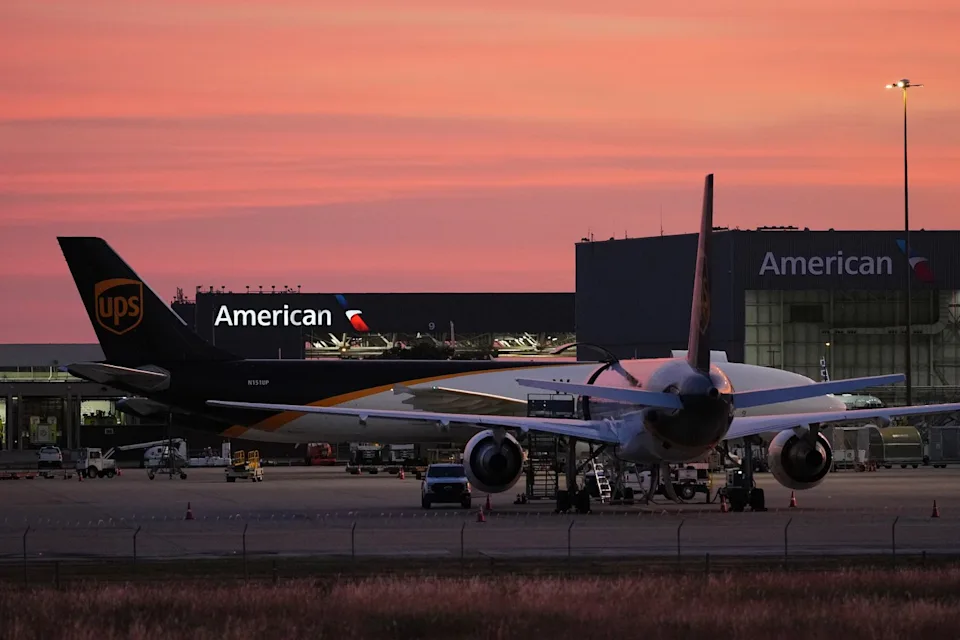
While planes already airborne continued to their destinations, departures froze. Roughly 3,500 to 4,000 aircraft were in the sky when the stop began. Ramps filled as arrivals kept landing and nothing left. By evening, flight-tracking services reported thousands of cancellations—figures that climbed past 8,000 to more than 12,500 across Friday and Saturday—and more than 10,000 delays. Airlines including Delta, American, United, and Southwest each cancelled well over a thousand flights. An estimated 1.5 million passengers were scheduled to fly in the affected window. International traffic bound for the United States was also disrupted.
Airports turned into holding pens. Passengers slept on floors, waited hours for gates after landing, scrambled for hotels that suddenly surged in price, and debated whether to drive hundreds of miles instead. Some sat on aircraft for five hours after touchdown. Families missed reunions, medical appointments, and concerts. Sports teams scrambled for alternative transport. The knock-on effect continued into Saturday with further cancellations as crews and aircraft remained out of position. Officials warned recovery would take days and that normal capacity might not fully return until closer to the Thanksgiving rush.
This was not an unforeseeable black swan. The same aging telecommunications infrastructure has been flagged for years. Congress approved $12.5 billion in 2025 for modernization; the administration is now seeking tens of billions more. Officials themselves admit the system remains vulnerable and that similar failures will recur until the legacy network is replaced. More than three-quarters of FAA systems have been described as vulnerable in recent assessments. The 2023 NOTAM outage was an earlier warning. The response then, as now, was temporary fixes and funding fights rather than decisive replacement of obsolete hardware.
Passengers caught in the chaos have limited practical protections in the moment. US Department of Transportation rules require airlines to refund tickets for cancelled flights and, in many cases, provide care during significant delays. In practice, overwhelmed staff, full hotels, and scarce rebooking options left many travelers absorbing the cost and stress themselves. The system that is supposed to keep the public safe and moving still depends on equipment that should have been retired a generation ago.
The ground stop ended. The underlying decay did not. Until the United States finally replaces the copper, the routers, and the decades of deferred maintenance that made this possible, every busy travel day will remain a potential repeat. The planes are flying again. The infrastructure that guides them is still on borrowed time.
Official sources
FAA statements and air-traffic advisories; Transportation Secretary Sean Duffy and Homeland Security Secretary Markwayne Mullin White House briefings (13–14 November 2026); FlightAware, Flightradar24, and Cirium operational data; contemporaneous reporting from Reuters, ABC News, CBS News, Forbes, Wired, and FlightRadar24.